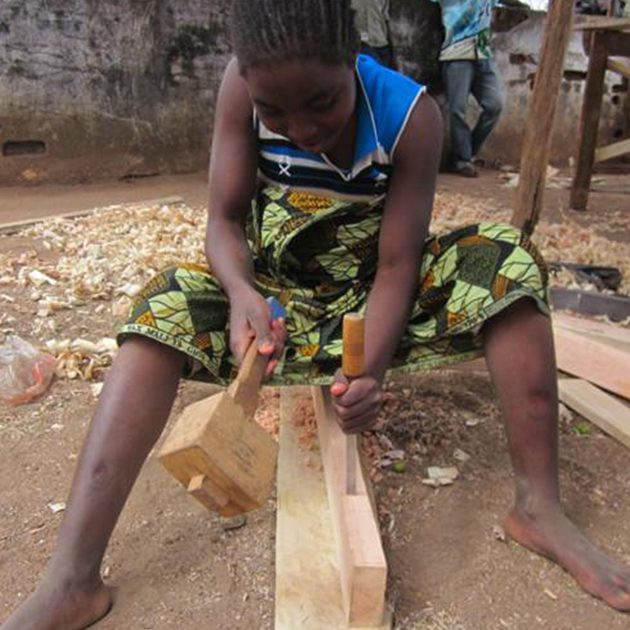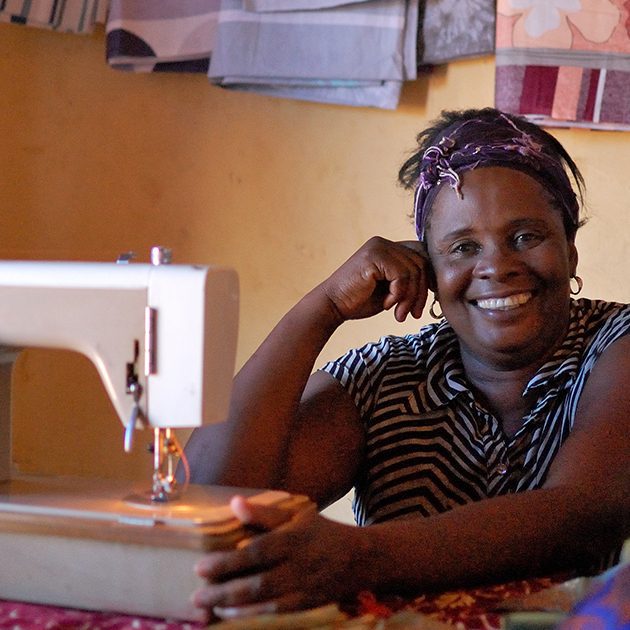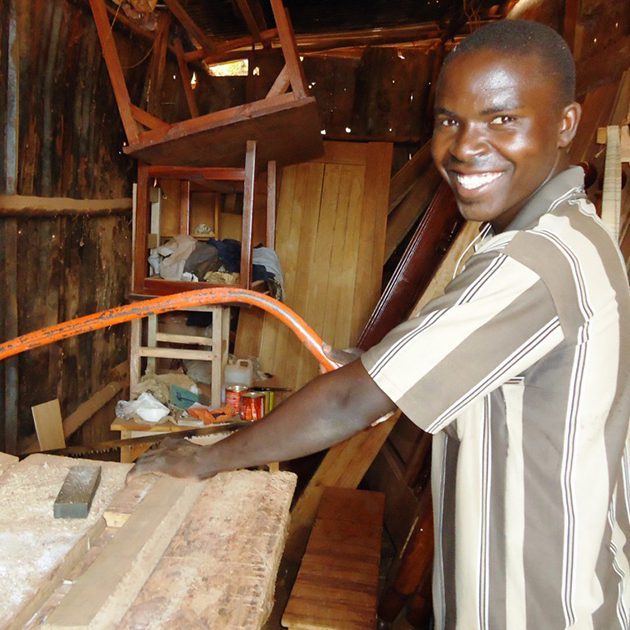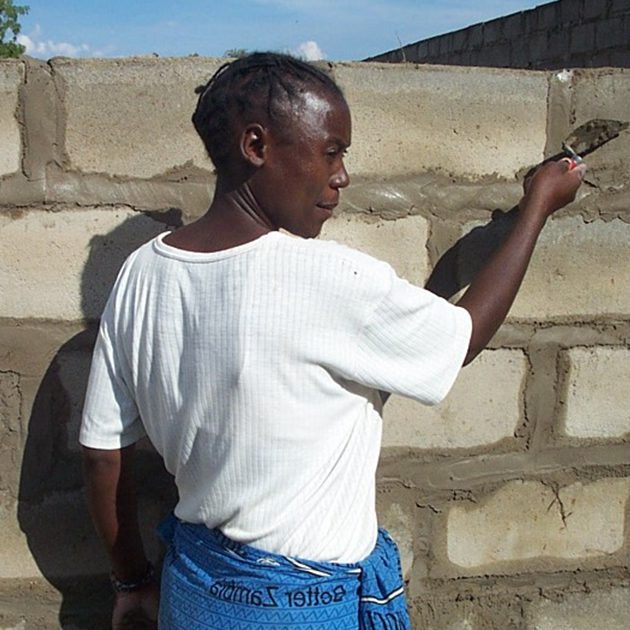
trainees have participated in our projects over the past ten years, learning vocational skills they can use to find work and build sustainable livelihoods.
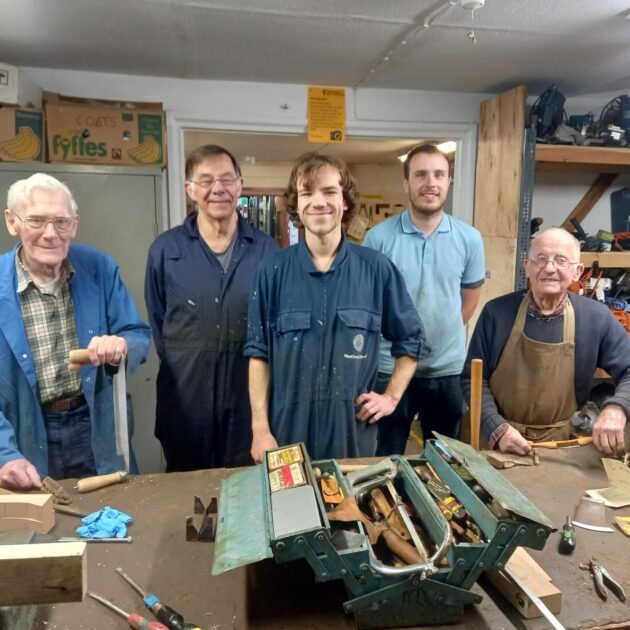
volunteers across the UK help us with collecting and refurbishing tools, fundraising and raising awareness about our work
tools were shipped this year to our projects across five areas of operation in Africa

Our work is only possible with the kind support of donors as we receive no statutory funding. If you can support our projects, trainees and tools refurbishment programme, we are very grateful.
Please click the link here to make a donation today and make a lasting difference to the livelihood of our trainees and their loved ones.
 Give tools
Please bring your hand tools, 240 volt electrical tools, haberdashery items and ply wood to our Netley Marsh workshops on Mondays and Tuesdays between 10am – 4pm. Take a look at the list of tools we can accept.
If you are making a special trip, or travelling a long distance, please give us a call first on 02380 869697 to make sure we’re ready to help. We also have a network of volunteer collectors across the country who can collect donations – please contact us to find out if there is a collector in your area.
We are fortunate to have been the recipient of many sewing machines in the last year, many have great sentimental value to our supporters and we take great care and pride in these kind donations. These machines can unlock so much potential for our trainees. However, following a number of large gifts, and as we prepare for our upcoming shipment to Zambia, we are pausing donations of sewing machines to our HQ and collectors across the UK until we have more space in our workshop to refurbish these with the love and care they deserve. We will update our website when we are able to take further collections of sewing machines. Thank you to everyone who is interested in supporting us and most importantly our trainees in this way.

To read the latest news from our projects and find out how your support matters, click here.

To receive monthly updates on our projects, stories from our trainees and the latest happenings across our HQ, workshops and volunteer groups, sign up to our e-newsletter today by clicking here.
In five years time, with my farming and tailoring, I will be a powerful business woman
Clara Chabula,
Blessings Tailoring Group, Zambia